
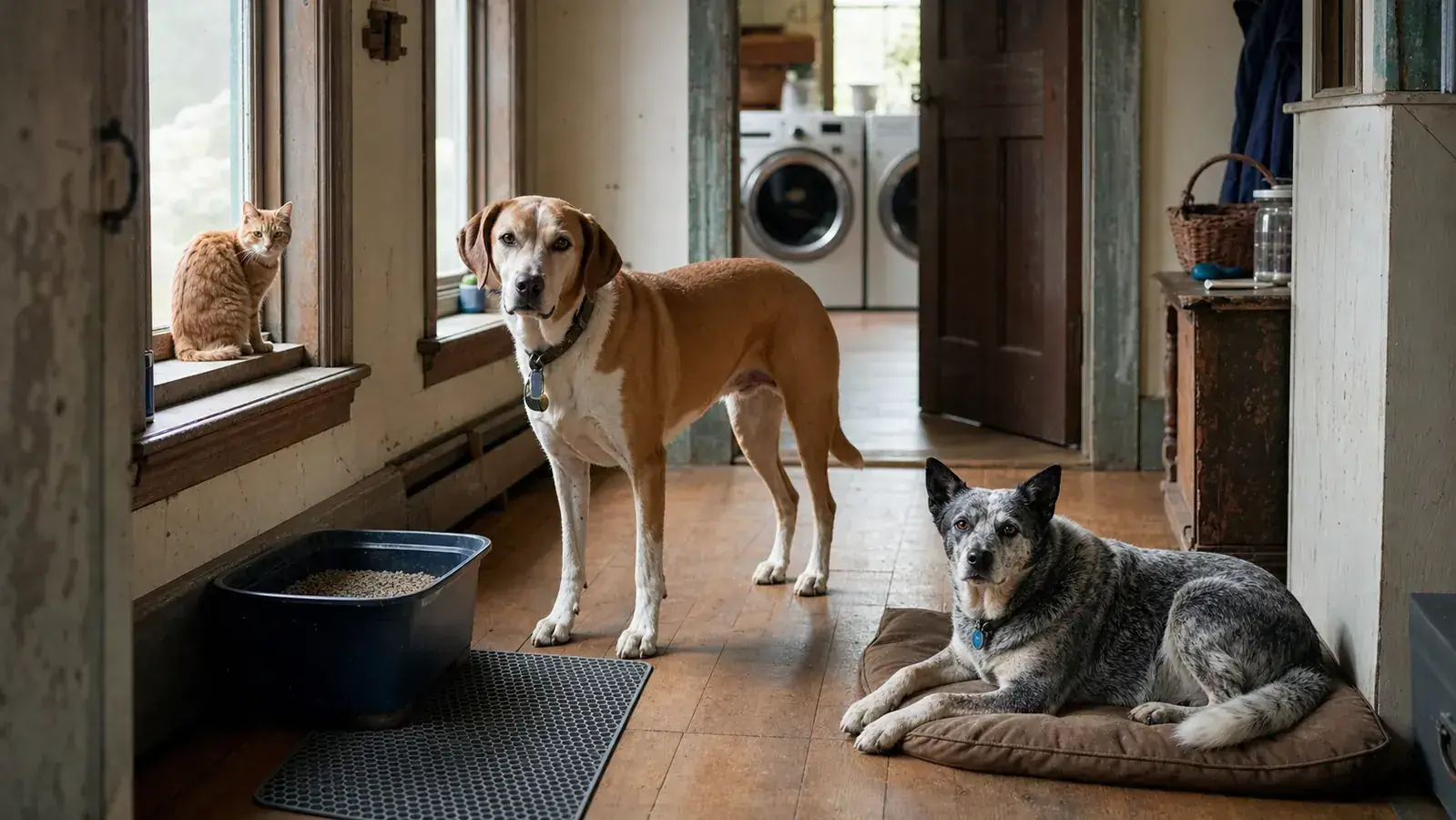
Our litter box sits in the back hall, right off the laundry room, on bare wood floor. Tuck, our orange tabby, uses it like clockwork and then walks a trail of gray grit straight toward the kitchen every single time. I tried towels, I tried a rubber tray from the dollar bin, I tried just sweeping twice a day and calling it maintenance. None of it held up past a week or two.
What actually stopped it was a Pieviev double-layer honeycomb mat, and a full year of daily use taught me exactly why it works when a bare floor never stood a chance. This isn't a review of every feature, it's the ten specific reasons the tracking stopped, one at a time, in the order I noticed them.
The mat that finally kept litter out of my kitchen
Tuck still tracks off the mat's edge, that never fully stops. But a year in, the Pieviev catches the vast majority of it before it ever reaches wood floor.
Amazon Check Today's Price on Amazon →The honeycomb shape catches litter by design, not luck
A flat mat relies on friction alone, hoping enough grit clings to fur to matter. The Pieviev's honeycomb cells are cut deep enough that a paw pressing down pushes stray granules straight through the top layer, where they sit trapped instead of riding along on Tuck's fur to the next room. I didn't believe the shape mattered until I watched him step off it in slow motion and counted how little actually came with him onto the wood.
The double layer gives litter somewhere to actually go
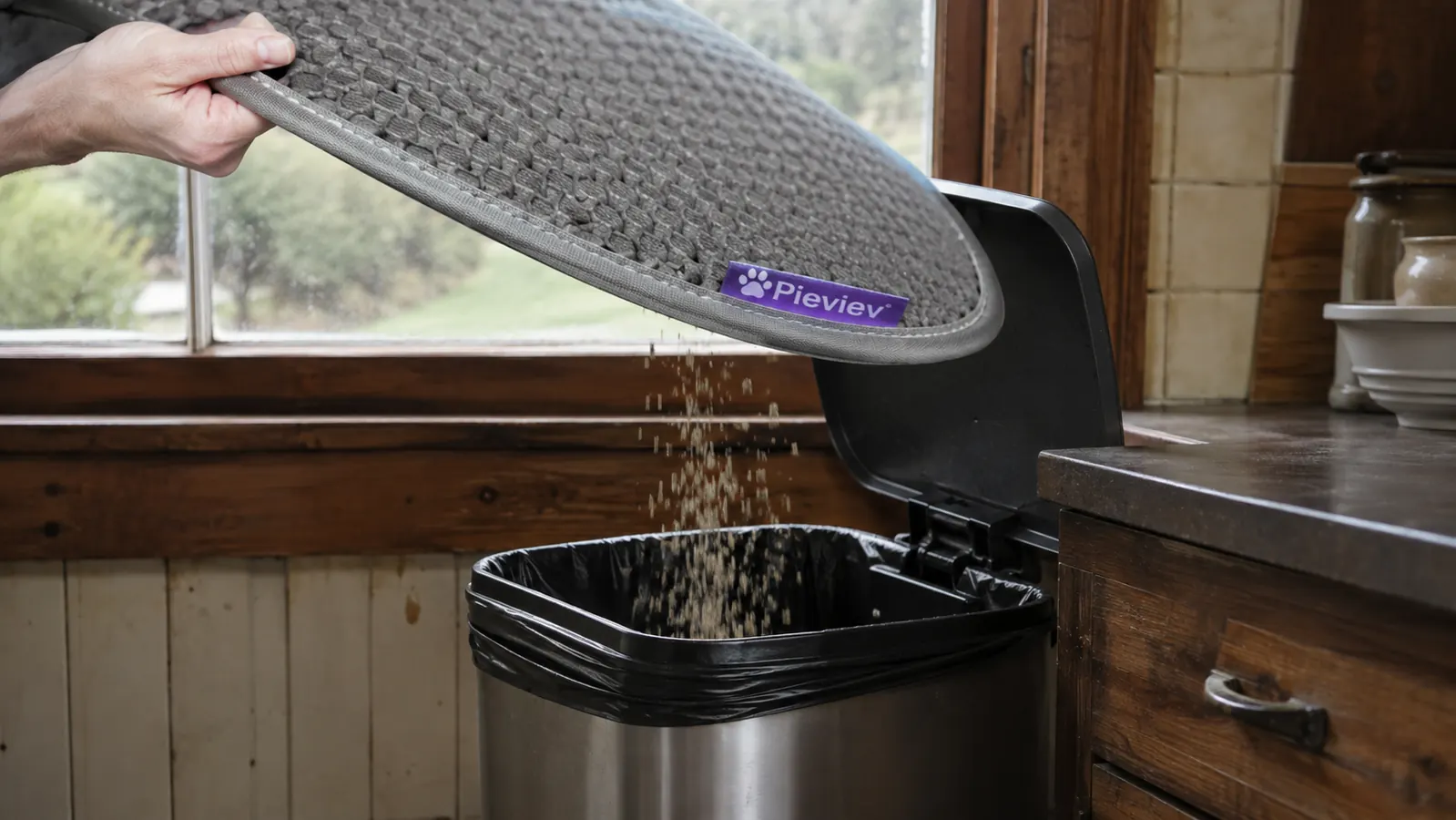
One layer catches, the second layer holds. Litter that falls through the top honeycomb lands on a solid bottom sheet instead of the floor, which means it stays contained until I flip the mat over the trash can. A single-layer mat just moves the mess a few inches closer to the box, it doesn't remove it from the walking path at all, and that distinction is most of why this mat outperformed the cheaper one we tried first.
The waterproof backing stopped the wood floor stains
Our back hall floor is original to the house, and litter dust ground into wood grain leaves a dull gray patch that never fully scrubs out no matter how hard I go at it. The Pieviev's waterproof underside means any moisture from a damp paw, a knocked-over water bowl, or a mopping mishap stays on top of the mat, not soaking into the boards underneath it. That alone would have justified keeping the mat for us, litter tracking aside.
The size gives a cat room to actually land on it
At 24 by 15 inches, the mat gives Tuck two full strides before his paws clear the edge, which matters more than most people expect walking into this. A too-small mat just relocates the first paw print of litter tracking a few inches closer to the box and calls it solved. This one is wide enough that most of what would have hit bare floor lands on honeycomb instead, well before he's back to full speed toward the kitchen.
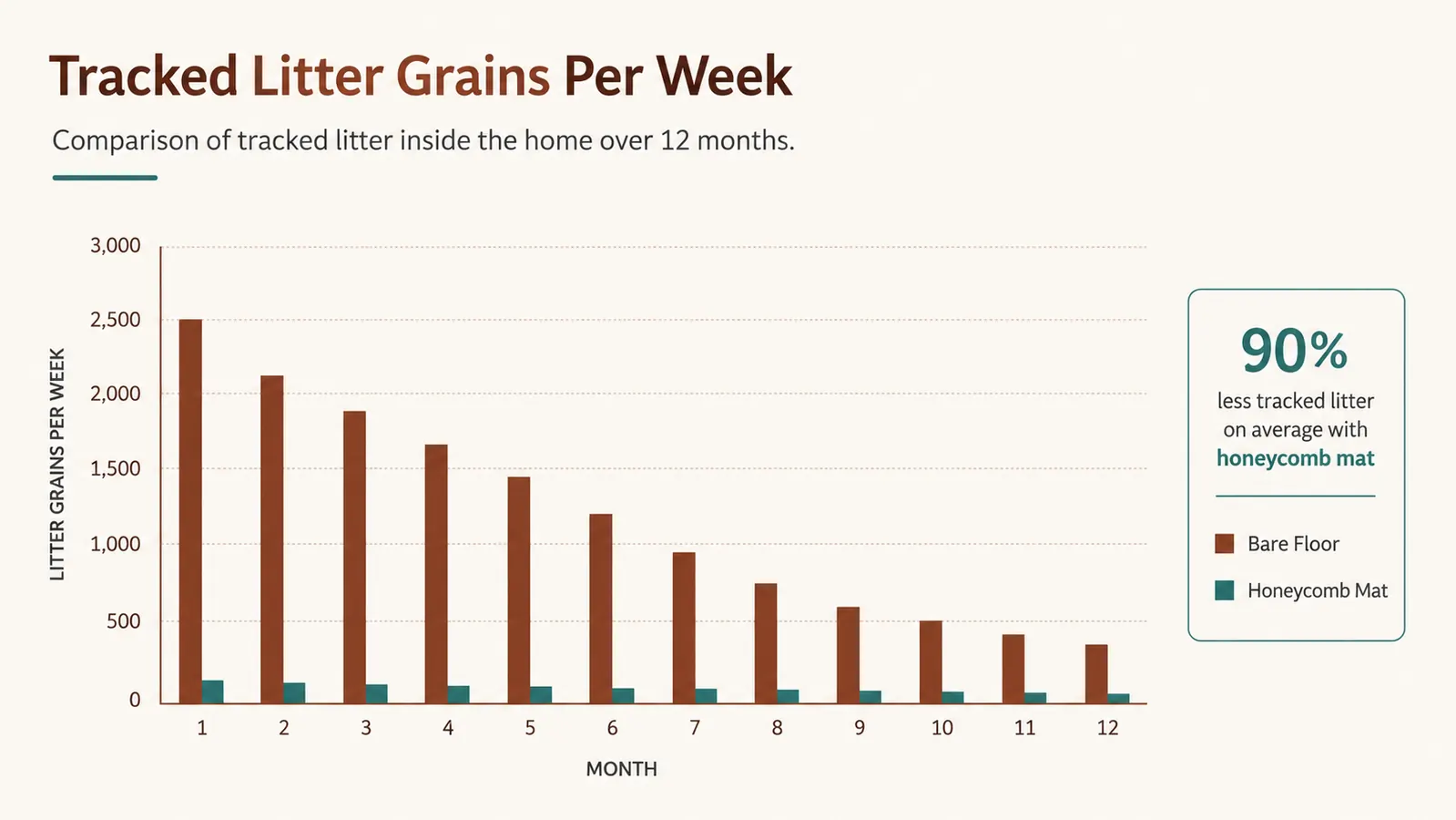
Rubber material beats static cling
Bare wood floor holds a static charge that pulls fine litter dust along with it, especially in dry winter months when Gene walks the hall barefoot at night and complains about grit underfoot before he's even said good morning. The Pieviev's rubber surface doesn't build the same charge, so dust settles into the honeycomb cells instead of clinging to whatever walks across it next, paw or bare foot alike.
Cleanup is a fifteen-second shake, not a scrub session
Once a week I pick the mat up by one edge and shake it over the kitchen trash can, and the trapped litter drops right out with barely any effort. A towel or a bath mat by comparison needs to be shaken outside, beaten against a porch rail, or run through the wash, none of which happens as often as it should once real life gets in the way. The Pieviev's low-effort cleanup is the actual reason I've kept using it for a full year instead of shoving it in the hall closet after a month like the last one.
It protects the transition zone, not just the box itself
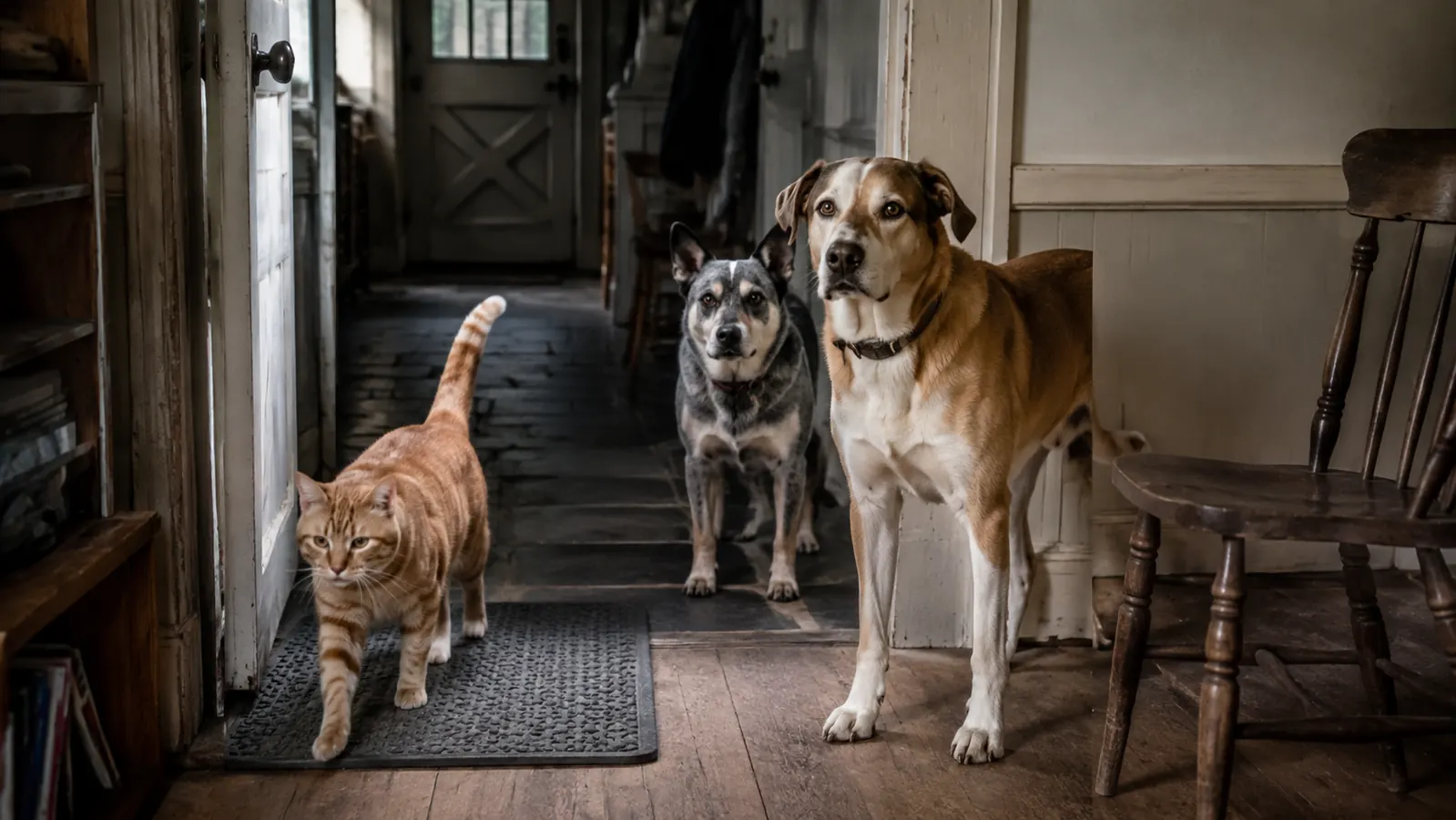
The mess was never really coming from inside the litter box, it was happening in the six feet of hallway between the box and the rest of the house, where litter clung to Tuck's paws long enough to fall off gradually as he walked. Placing the Pieviev directly in that transition zone catches litter while it's still stuck to his paws, before he's had ten steps to shed it across clean floor. Placement matters more than most people think, and this is the zone that actually needs coverage, not the inside of the box.
It doesn't hold odor the way carpet mats do
We tried a carpet-style mat before this one, and within a couple months it smelled faintly of the litter box no matter how often I vacuumed it or aired it out on the porch. The Pieviev's solid rubber surface doesn't have fibers for odor to settle into, so a quick shake and an occasional wipe-down keeps it smelling like nothing at all, which after a year still genuinely surprises me every time I bend down to check.
It's still doing the job after twelve months of daily use
A year is long enough to find out whether gear is actually durable or just looked good in the first few weeks of new-product enthusiasm. The honeycomb cells on our Pieviev haven't flattened out, the edges haven't curled up, and it still lies flat on the wood floor instead of sliding around every time Tuck jumps off the box at full speed. That's the difference between a mat that earns a permanent spot in the back hall and one that ends up in the closet by month three.
It's one habit change that saves a lot of sweeping
I used to sweep the back hall twice a day and still find grit under bare feet at night, no matter how careful I was. Since putting the Pieviev down, I sweep once every few days, mostly out of habit rather than necessity. For anyone who's read my full year-long Pieviev review, this is the short version: one mat, placed right, cut our litter cleanup down to almost nothing.
What I'd Skip
I'd skip anything advertised as a litter mat that's actually just a flat rubber sheet with shallow texture stamped into it for looks. We tried one of those first, and it caught almost nothing, because there's nowhere for the litter to actually fall and stay put once it's shaken loose from a paw. I'd also skip anything smaller than the box's own footprint. A mat that doesn't extend past where a cat's back paws land when they exit is really just decoration under the litter box, not a working solution to the actual problem.
A year of sweeping taught me the floor was never the problem. The gap between the box and the floor was.
Stop sweeping litter twice a day
One honeycomb mat, placed in the right spot, did more for our back hall floor than a year of towels and rubber trays combined.
Amazon Check Today's Price on Amazon →